Behind the Kitchen
Steakhouse Sautéed Mushrooms: Why They Taste Different Than Anything You Make at Home
It is not a secret ingredient. It is heat, fat, timing and patience — four decisions made before the mushroom ever touches the pan.
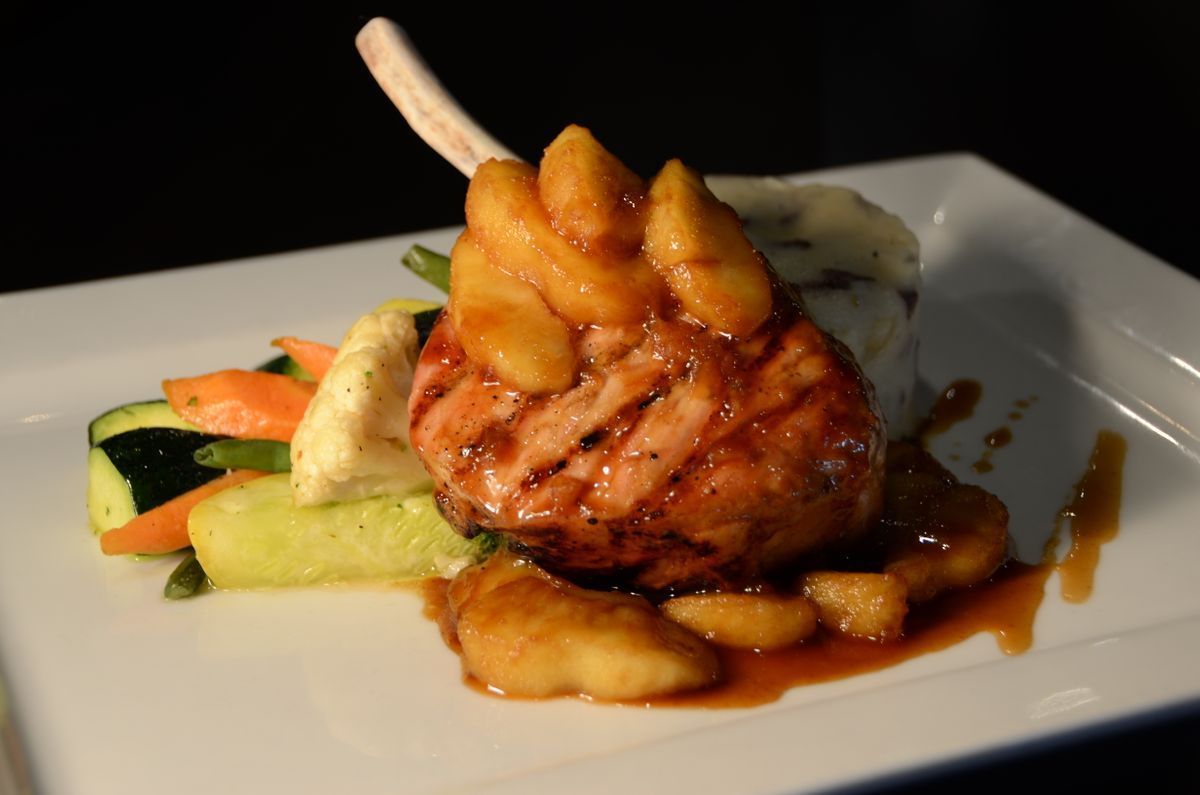
Quick answer Steakhouse sautéed mushrooms taste different because of pan temperature, fat choice, timing and technique — not a secret ingredient. At Tavern On Clark in Rockford they are cooked alongside Certified Angus Beef steaks every night at 755 Clark Drive. Call 815-708-7088 to reserve.
You have made sautéed mushrooms at home. They were fine — maybe even good. Then you ordered them at a steakhouse and something was noticeably different. Darker. More concentrated. Richer in a way that is hard to name.
The difference is not a proprietary sauce or a technique that needs professional equipment. It is a set of decisions — heat level, fat choice, timing, volume in the pan — that home cooks get wrong, not because they are bad cooks, but because nobody explained what the kitchen is actually doing. The full menu shows everything the sides section is running.
Why steakhouse mushrooms taste different
The short answer is the Maillard reaction — the same chemical process that gives a properly seared steak its crust also gives a properly sautéed mushroom its depth. Heat breaks down the surface, caramelizes the natural sugars, and concentrates the umami compounds that make the flavor rich rather than bland.
Same mushroom Different result
Seared
Dark and concentrated
The pan is hot enough that the surface caramelizes before the moisture inside has time to escape. That caramelization is the flavor.
Steamed
Pale and soft
A cool or crowded pan lets the mushroom release liquid first. It cooks in its own moisture and tastes like a weaker version of what it should be.
Identical raw ingredients — the gap is entirely in the pan
A steakhouse kitchen runs hotter than a home kitchen. The pans are heavier, the burners produce more BTUs, and the cook knows to leave the mushrooms alone rather than stirring every thirty seconds. Those factors compound.
The technique — what the kitchen actually does
Cast iron or heavy stainless, never non-stick — it cannot handle the temperature required. The pan is preheated until it is genuinely hot before anything goes in, and the fat has to reach temperature before the mushrooms touch the surface.
Heavy pan, preheated properly. Non-stick cannot take it.
Neutral high-smoke-point oil first, up to temperature before anything else.
In a single layer, no crowding. A crowded pan drops the temperature instantly.
No stirring, no checking. Contact with the pan is what creates the crust.
After the color develops. Salt draws moisture out — too early and you are steaming again.
Garlic and thyme in the last minute. They burn and turn bitter at high heat.
That sequence is the whole method. Every step in it exists to protect the sear.
Butter, oil, or both
Butter burns at high temperatures. Oil does not — but oil alone does not deliver the richness that makes steakhouse mushrooms taste the way they do. The answer is both, in sequence.
A neutral high-smoke-point oil — grapeseed or canola — starts the sear and handles the heat without breaking down. Butter goes in at the end, basting the mushrooms as it foams, adding the nutty caramelized character that finishes the side. The oil handles the temperature; the butter handles the flavor.
Some kitchens use clarified butter or ghee throughout, since removing the milk solids raises the smoke point considerably. Either approach lands in the same place: hot enough to sear properly, enough butter character to finish richly.
Which mushrooms work best
Cremini — also sold as baby bella or brown mushrooms — are the standard for good reason. More flavor than white button, and they hold their structure through a high-heat sauté instead of turning mushy.
| Mushroom | Flavor | Pairs with | Best use |
|---|---|---|---|
| Cremini | Earthy, mild umami | Any steak cut | The default |
| Shiitake | Intense, smoky | Ribeye, strip | The bold choice |
| Portobello | Meaty, substantial | Filet, porterhouse | Sliced, for texture |
| White button | Mild, neutral | Lighter preparations | Weakest for searing |
Portobello works well sliced, bringing more surface area for the sear. Shiitake adds an earthier, more intense umami that stands up next to a heavily marbled cut. White button is the weakest option here — less flavor to begin with, and less flavor concentrates to less.
What to pair them with
Mushrooms add umami and earthiness to the plate, so they work best next to cuts that can hold up to it — a ribeye, a New York strip, or a porterhouse. Those cuts have the marbling and depth to match what the mushrooms bring. The mushrooms do not overwhelm them; they extend them.
With a filet mignon — the leanest, most delicate cut on the menu — mushrooms work differently. The earthiness can dominate the cleaner flavor of the filet if the sauté is particularly intense. Some guests prefer a lighter side alongside it for that reason. Others want the contrast. Both are legitimate.
Alongside other sides
A loaded baked potato and sautéed mushrooms next to a ribeye is a complete steakhouse dinner — nothing missing. The potato adds starch and richness, the mushrooms add umami and contrast, the ribeye anchors it. Asparagus alongside the mushrooms works for a lighter profile: the bitterness cuts the richness and creates range without adding more fat or starch.
The mistakes home cooks make
The most common one. A warm pan produces steam; a hot pan produces sear. The mushroom needs a surface that reacts immediately.
Crowding drops the pan temperature instantly and the mushrooms steam in each other's moisture. Cook in batches.
Salt pulls liquid to the surface before the crust forms. Season after the color develops, not before.
Every move breaks contact with the pan. The crust needs continuous contact. Put them in, leave them alone, wait for the color.
Common questions
- Can I add sautéed mushrooms to any steak?
- Yes. They are available as a side that pairs with any steak on the menu. Ask your server, or call 815-708-7088.
- What makes these different from a chain steakhouse?
- Independent kitchen discipline. Chains run high volume with standardized prep. Here the same technique that goes into the main course goes into the sides — hot pan, proper fat, right timing, patience.
- Which steak goes best with them?
- The ribeye is the strongest pairing. The New York strip works equally well. The filet is the most delicate pairing, for guests who want contrast rather than intensity.
- When should I salt them?
- After the sear, once the color has developed. Salting early makes the mushroom steam.
- Are they available for private dining events?
- Yes — the full sides menu is available for private dining. Call to discuss options for group bookings.
The bottom line
Steakhouse sautéed mushrooms taste different because of decisions made before the mushroom touches the pan — heat level, fat choice, volume, timing — not because of an ingredient you cannot get at home. The technique is learnable. If you want the result without the work, they run every service alongside the Certified Angus Beef steaks at 755 Clark Drive.
Worth ordering intentionally rather than adding out of habit. The ribeye with sautéed mushrooms and a loaded baked potato is one of the strongest plates on the menu.